A Season of New Beginnings in Japan
If you visit Japan in early April, you will notice a special atmosphere in the air. New students walk to school wearing fresh uniforms, companies welcome new employees, and families gather to celebrate important milestones. Unlike many countries where the school year begins in September, Japan starts both its school and work year in April.
This timing often surprises people from overseas. Why does Japan begin its academic and business year in April? The answer is connected to history, government systems, and even the beauty of spring.
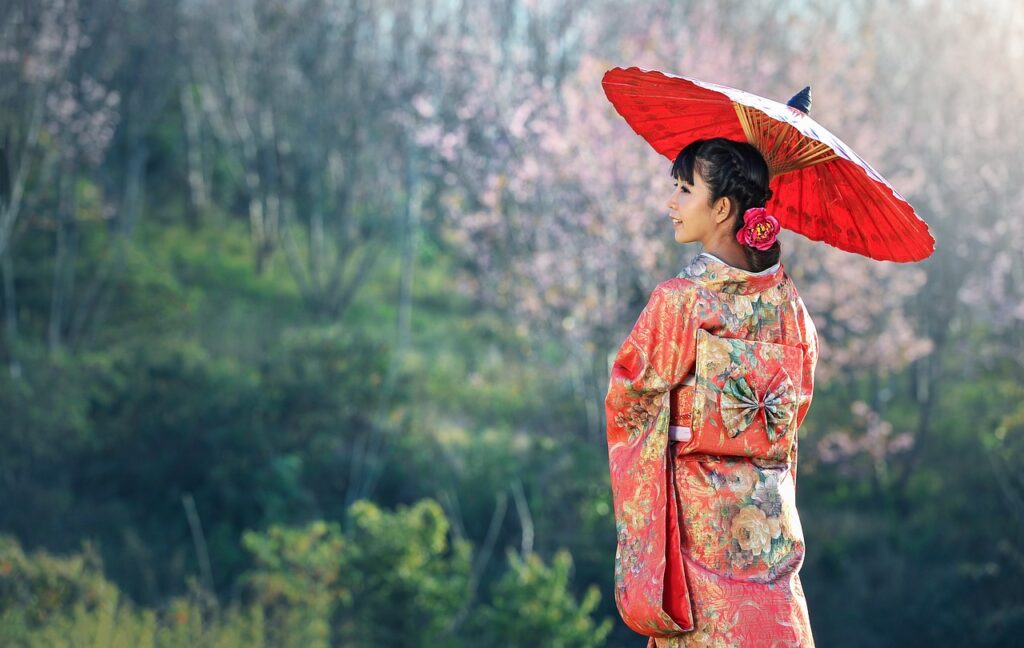
April in Japan is also famous for cherry blossoms. Many people celebrate the arrival of spring by enjoying picnics under blooming sakura trees, a tradition known as hanami. This connection between spring and new beginnings has become deeply rooted in Japanese culture.
Japan’s School Year Begins in April
In Japan, the academic year for elementary schools, middle schools, high schools, and universities typically begins in early April. Entrance ceremonies are held during the first week of the month, welcoming new students into their schools.
Graduation ceremonies, on the other hand, usually take place in March. This means that students finish their school year just before spring fully begins.
Japanese companies follow a similar schedule. Many businesses hire new graduates and welcome them as full-time employees at the beginning of April. These new workers are often called “new graduates” or shinsotsu in Japanese.
Because both schools and companies start new cycles at the same time, April is widely recognized as the season of fresh starts in Japan.
Historical Reasons Japan Chose April
One major reason Japan starts its school year in April is related to the government’s fiscal calendar.
Japan’s fiscal year runs from April 1 to March 31. When the modern education system was established during the late 19th century, schools aligned their schedules with the government’s financial system. This made it easier to manage education budgets and administrative planning.
The modern Japanese education system was largely shaped during the Meiji era, when the country was rapidly modernizing. Aligning the school calendar with the government fiscal year helped create an organized and efficient national system.
Since then, the April start has remained the standard across the country.
The Cultural Meaning of April in Japan
Beyond practical reasons, April also carries a strong cultural meaning in Japan.
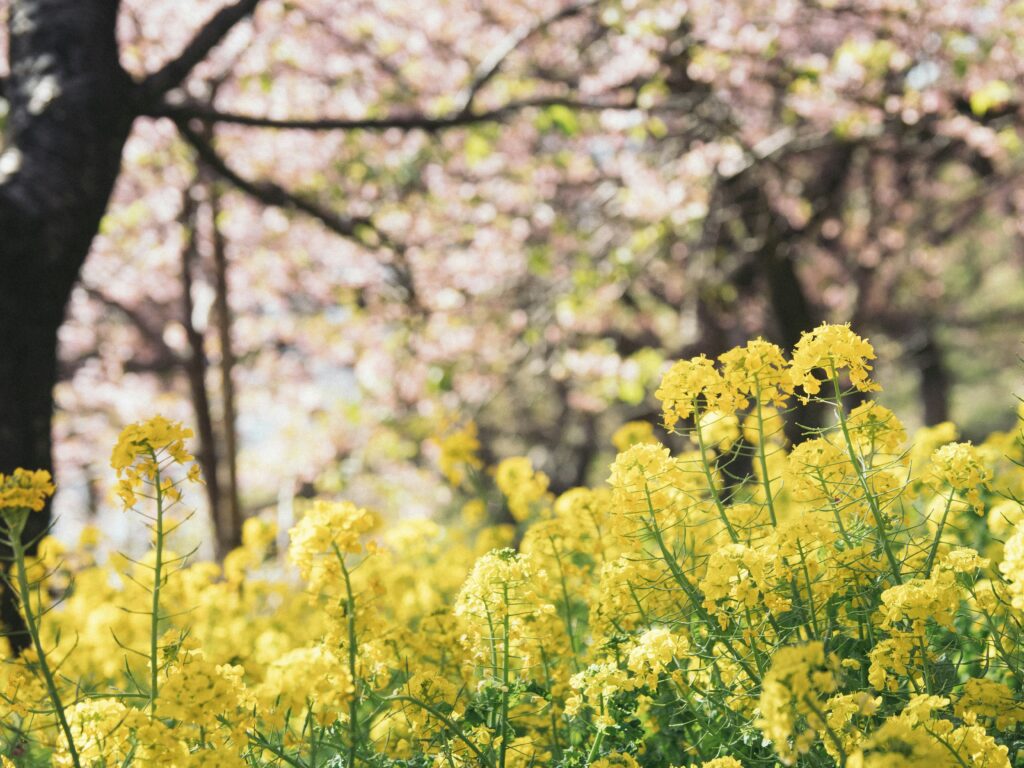
Spring represents renewal and new beginnings. The weather becomes warmer, flowers bloom, and many people feel a sense of optimism for the year ahead.
The cherry blossom season plays an important role in this feeling. Sakura trees bloom across the country around the same time students start school and new employees begin their careers. This coincidence has created a powerful image in Japanese society: a new chapter in life beginning under the soft pink petals of cherry blossoms.
For many people in Japan, memories of entering school or starting a job are closely connected with the sight of blooming sakura trees.
Why Doesn’t Japan Start School in September?
In many countries, particularly in North America and Europe, the school year begins in September. This schedule often developed around agricultural cycles, allowing children to help with farm work during the summer.
Japan has occasionally discussed changing its academic calendar to match international systems. Some educators believe that starting school in September would make it easier for Japanese students to study abroad or participate in global academic programs.
However, changing the system would affect many parts of society, including employment schedules and business operations. Because schools, universities, and companies are all connected to the April cycle, a change would be very complicated. For now, the April start remains deeply embedded in Japanese life.

What Happens in Japan Every April?
April is one of the most important months in Japan for transitions and celebrations.
Schools hold entrance ceremonies where new students officially begin their education. These ceremonies are formal occasions where principals give speeches and families celebrate their children’s new stage of life.
Companies also organize orientation programs for new employees. During these programs, recent graduates learn about company culture, responsibilities, and expectations.
Many people also take time to enjoy the beauty of spring. Parks fill with people celebrating the cherry blossom season, sharing food and drinks with friends and coworkers.
This combination of new opportunities, social gatherings, and natural beauty makes April one of the most symbolic months of the year in Japan.
Conclusion
Japan’s tradition of starting the school and work year in April is shaped by history, government systems, and cultural values. The alignment with the fiscal year helped establish an organized national system, while the arrival of spring gives the timing a deeper symbolic meaning.
For many people in Japan, April represents a fresh start. Whether entering a new school, beginning a new career, or simply enjoying the beauty of cherry blossoms, the month marks the beginning of a new chapter in life.
If you want to learn more about Japanese seasonal traditions, check out our guide to Japanese culture.(https://hitsujimajin.com/what-to-eat-in-japan-for-the-first-time/)