Every spring, something magical happens across Japan. Parks turn pink, rivers shimmer with falling petals, and people gather beneath blooming cherry blossom trees to eat, drink, and celebrate.
This tradition is called hanami.
But what is hanami exactly? Why do Japanese people celebrate cherry blossom season so passionately? And where are the best places to experience it?
In this complete guide, you’ll learn:
- What hanami means
- The history behind it
- Why cherry blossoms matter in Japanese culture
- When cherry blossom season happens
- The best hanami spots in Japan
- Practical tips for visitors
If you’re planning a spring trip to Japan, this guide will help you understand and fully enjoy one of the country’s most beloved traditions.
- What Does Hanami Mean?
- Why Are Cherry Blossoms So Important in Japan?
- The History of Hanami
- When Is Cherry Blossom Season in Japan?
- How Do People Celebrate Hanami?
- Best Hanami Spots in Japan(Tokyo)
- Hanami Etiquette: What Visitors Should Know
- Is Hanami a Festival?
- Why Hanami Still Matters in Modern Japan
- Frequently Asked Questions About Hanami
- Final Thoughts
What Does Hanami Mean?
The word hanami (花見) literally means “flower viewing.”
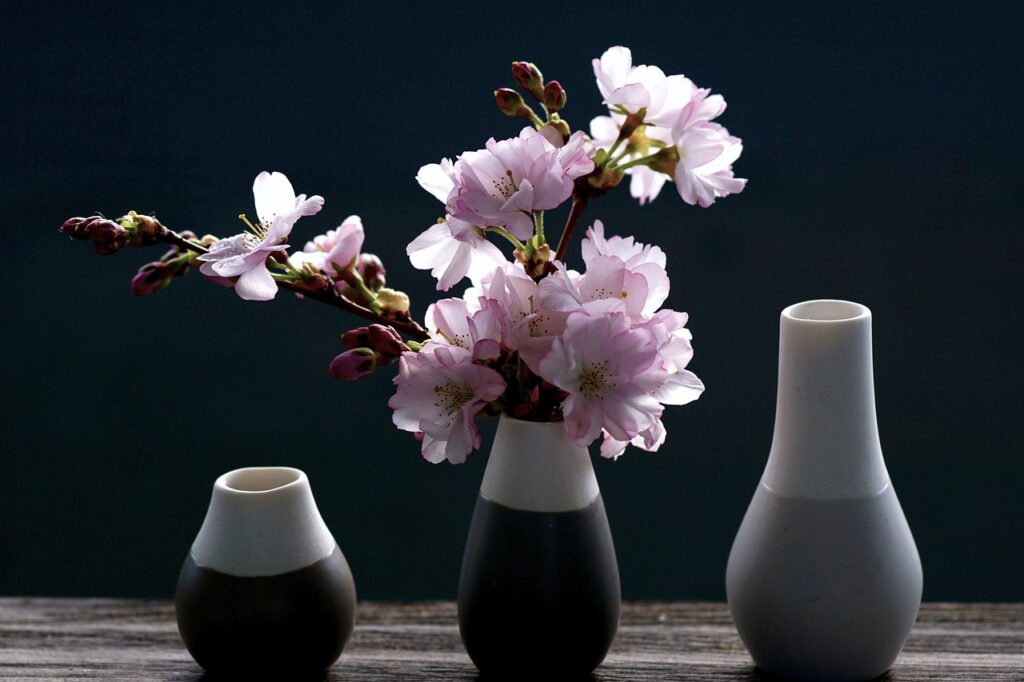
However, in modern Japan, it almost always refers specifically to viewing cherry blossoms (sakura).
Hanami is more than simply looking at flowers. It is a seasonal social event where people gather under cherry blossom trees to appreciate their beauty while enjoying food and drinks with friends, family, or coworkers.
At its heart, hanami is about celebrating the arrival of spring.
Why Are Cherry Blossoms So Important in Japan?
Cherry blossoms hold deep symbolic meaning in Japanese culture.
They represent:
- The beauty of life
- Renewal and fresh beginnings
- The arrival of spring
- The fleeting nature of existence
Because cherry blossoms bloom spectacularly but last only about one week before falling, they symbolize impermanence. This idea connects to the Japanese aesthetic concept of mono no aware — an awareness of the transience of things.
In Japan, the school year and business year both begin in April, exactly when cherry blossoms bloom. As a result, sakura season is associated with new chapters in life.
The History of Hanami
Hanami dates back more than 1,000 years to the Heian period (794–1185).
Originally, aristocrats gathered to admire plum blossoms. Later, cherry blossoms became more fashionable among the imperial court.
During the Edo period (1603–1868), the tradition spread to common people. Shogun Tokugawa Yoshimune even encouraged planting cherry trees in public areas so everyone could enjoy them.
Over time, hanami evolved from elite poetry gatherings into lively public celebrations.
Today, it remains one of Japan’s most cherished seasonal customs.
When Is Cherry Blossom Season in Japan?
Cherry blossom season varies by region due to climate differences.
Typical bloom periods:
- Late March to early April – Tokyo & Kyoto
- Mid to late March – Southern Japan (Fukuoka, Hiroshima)
- Late April to early May – Northern Japan (Hokkaido)
Because bloom timing changes every year, Japan publishes an official sakura forecast beginning in January. Many travelers plan their trips based on this forecast.
Peak bloom (called mankai) usually lasts about 5–7 days.
How Do People Celebrate Hanami?
While hanami can simply mean walking under cherry blossoms, many people celebrate with picnics.
Typical hanami activities include:
- Spreading picnic sheets under trees
- Eating seasonal bento boxes
- Drinking sake or beer
- Taking photos
- Singing or chatting with friends
Some companies even organize hanami parties for employees.
In the evening, some parks illuminate the trees. This is called yozakura (night cherry blossom viewing), and it creates a romantic atmosphere.
Best Hanami Spots in Japan(Tokyo)
If you’re looking for the most beautiful cherry blossom viewing locations, here are some of the best places to experience hanami:
Ueno Park
One of Tokyo’s most famous hanami destinations. Over 1,000 cherry trees line the main pathway. The atmosphere is lively and festive.
Shinjuku Gyoen
A spacious and beautifully landscaped garden. It offers a more relaxed hanami experience compared to Ueno Park.
Kawazu cherry blossoms
The scenery is especially breathtaking: cherry blossoms reflected on the calm surface of the Old Nakagawa River, and on clear days, the stunning contrast between the blossoms and the iconic Tokyo Skytree creates an unforgettable view.
Meguro river
Upstream from Nakameguro Station, the cherry trees on both sides of the river arch gracefully overhead, forming a stunning tunnel of blossoms above the water.
Chidori-ga-fuchi Green Way
Located just a five-minute walk from Kudanshita Station and Hanzomon Station, this area is one of Tokyo’s most famous cherry blossom spots.
Bloom dates can shift by several days depending on temperature and rainfall. Therefore, checking the updated cherry blossom forecast is highly recommended before finalizing your travel plans.
https://sakura.weathermap.jp/en.php
Hanami Etiquette: What Visitors Should Know
If you join hanami in Japan, follow these basic rules:
- Do not shake cherry blossom branches
- Take your trash home
- Avoid excessive noise late at night
- Reserve picnic spots politely
- Respect park regulations
Hanami is joyful, but it also values respect for nature and others.
Is Hanami a Festival?
Hanami itself is not a religious festival. However, many cities host seasonal cherry blossom festivals with:
- Food stalls
- Lantern displays
- Traditional performances
These events attract both locals and international visitors.
Why Hanami Still Matters in Modern Japan
Even in today’s fast-paced society, hanami remains deeply meaningful.
It gives people an opportunity to pause and appreciate nature.
It also strengthens social bonds — friends reconnect, families gather, and coworkers celebrate together.
The short bloom reminds everyone to cherish the present moment.
Frequently Asked Questions About Hanami
Is hanami only about cherry blossoms?
In modern Japan, yes. Although it once included plum blossoms, today hanami almost always refers to sakura.
How long do cherry blossoms last?
Usually about one week from full bloom.
Is hanami expensive?
No. Most parks are free, and you can bring your own food.
What should I bring?
A picnic sheet, snacks, drinks, and a camera.
Can tourists participate?
Absolutely. Visitors are welcome to enjoy hanami respectfully.
Final Thoughts
Hanami is more than cherry blossom viewing. It is a celebration of spring, renewal, and life’s fleeting beauty.
Whether you join a lively picnic in Tokyo or take a quiet walk along a blossom-lined path in Kyoto, hanami offers a uniquely Japanese experience.
If you visit Japan in spring, experiencing hanami is not just recommended — it is unforgettable.
Interested in more Japanese traditions? Discover why people say “Itadakimasu” before eating. (https://hitsujimajin.com/why-japanese-people-say-itadakimasu-before-they-eat/)