Introduction: Why Your First Food Experience in Japan Matters
If you’re visiting Japan for the first time, food will likely become one of the most memorable parts of your trip.
But here’s the truth: Japanese cuisine is far more diverse than most people expect. While many travelers think only of sushi, Japan offers everything from comforting noodle soups to delicate seasonal sweets, sizzling street food, and even gourmet-level convenience store meals.
This complete beginner’s guide will show you:
- The must-try Japanese foods for first-time visitors
- What each dish tastes like
- Where to find it
- How to eat it properly
- Budget tips for travelers
Let’s start with the essentials.
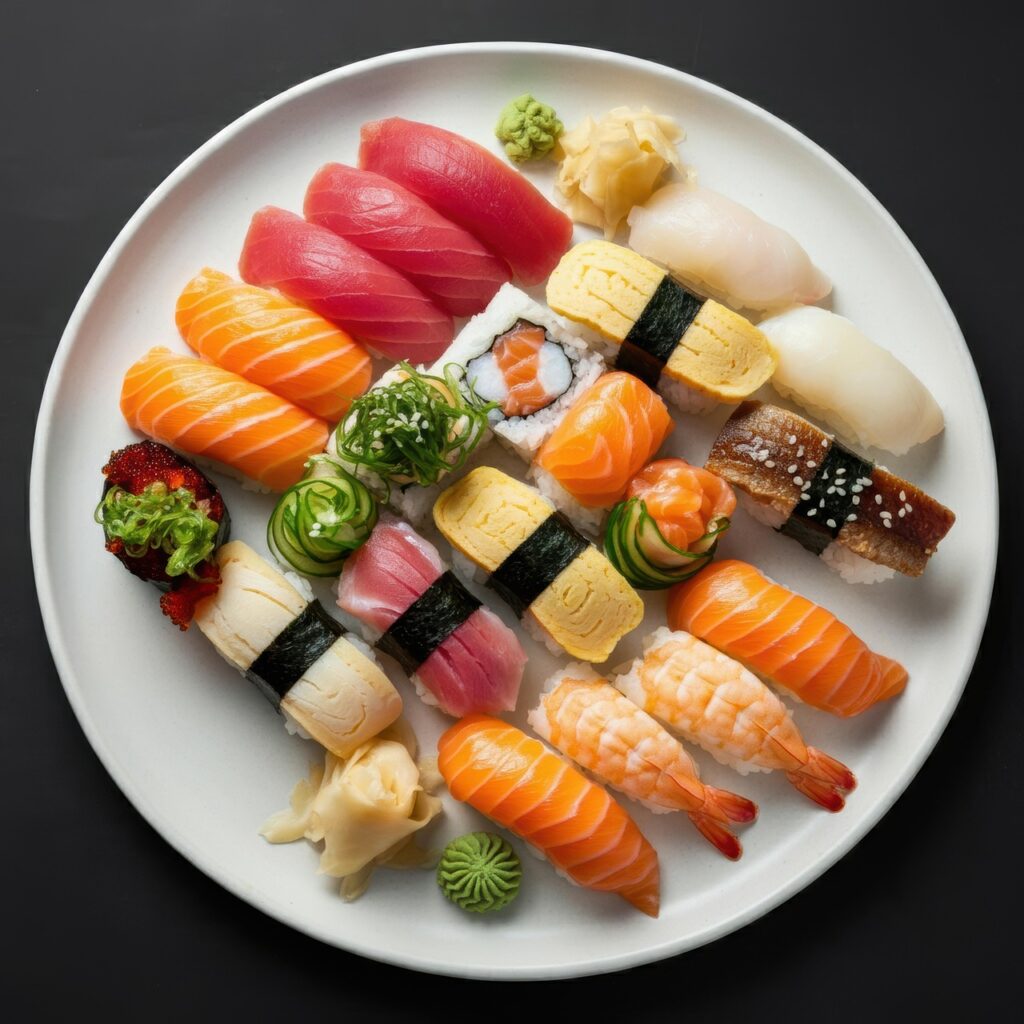
1. 寿司(Sushi): More Than Raw Fish
Sushi is the most internationally recognized Japanese food — but eating sushi in Japan is a different experience entirely.
What Is Sushi?
Sushi is vinegared rice paired with fish, seafood, or vegetables. It is not just raw fish.
Beginner-Friendly Options
If you’re nervous about raw seafood, start with:
- Salmon
- Tuna
- Shrimp
- Tamago (sweet egg)
Where to Eat Sushi
- Conveyor belt sushi (budget-friendly)
- Local neighborhood sushi shops
- Department store food halls
Etiquette Tip
In Japan, sushi can be eaten either with your hands or with chopsticks. Both are perfectly acceptable. Also, tipping is not part of Japanese dining culture.
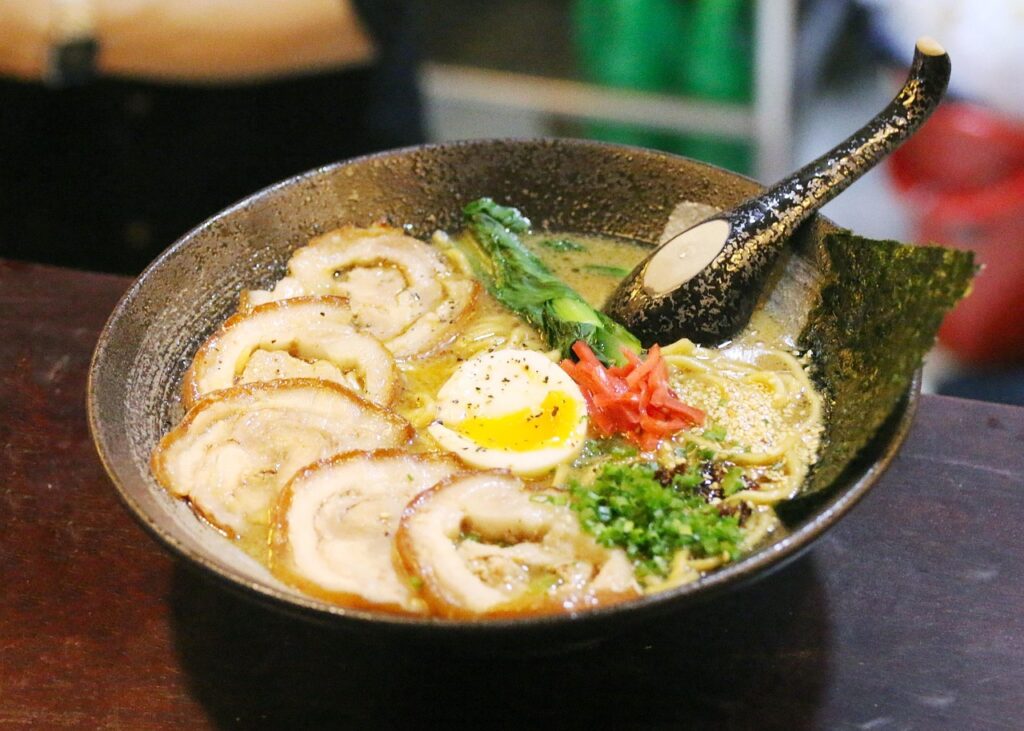
2. ラーメン(Ramen): Japan’s Comfort Food
Ramen is arguably the most loved everyday meal in Japan.
Major Ramen Types
- Tonkotsu – rich pork bone broth
- Shoyu – soy sauce-based
- Miso – slightly sweet and hearty
- Shio – light and salty
Each region has its own style.
First-Time Tip
Don’t be surprised if you’re asked to order from a vending machine before sitting down. It’s common in ramen shops.
Slurping noodles is normal — and encouraged.
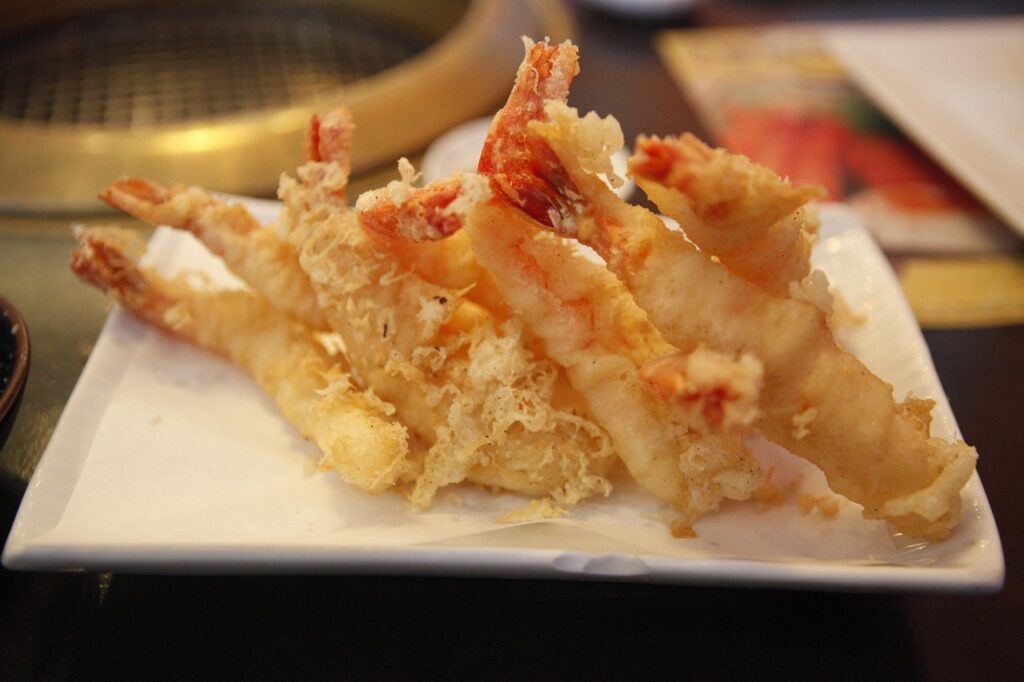
3. 天ぷら(Tempura): Light and Crispy
Tempura is seafood or vegetables lightly battered and deep-fried.
Unlike heavy fried food elsewhere, Japanese tempura is airy and delicate.
Try:
- Shrimp tempura
- Pumpkin
- Sweet potato
Dip lightly into tempura sauce — don’t soak it.
4. お好み焼き(Okonomiyaki): A Regional Favorite
Often described as a “Japanese pancake,” okonomiyaki is savory and customizable.
Made with cabbage, batter, and your choice of meat or seafood, it’s topped with sauce, mayo, and bonito flakes.
Especially popular in Osaka and Hiroshima.
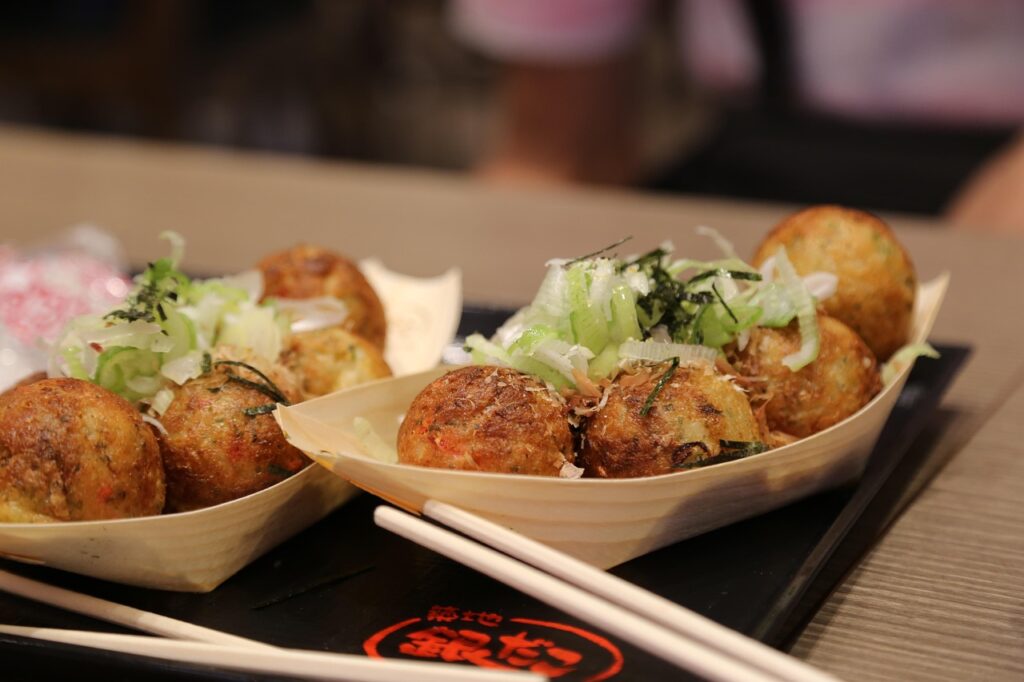
5. たこ焼き(Takoyaki): Street Food Classic
These small round balls are filled with octopus and batter.
Crispy outside, creamy inside.
Found in street stalls and festivals — best eaten hot.
6. うどん(Udon): Simple and Comforting
Thick wheat noodles served in broth or cold with dipping sauce.
Perfect if you prefer mild flavors.
7. そば(Soba): Traditional and Nutty
Made from buckwheat flour.
Often eaten cold in summer or hot in winter.
Symbolizes longevity when eaten on New Year’s Eve.
8. 焼き鳥(Yakitori): Casual and Delicious
Grilled chicken skewers seasoned with salt or sweet soy sauce.
You’ll find them in small local restaurants called izakaya.
9. カツ丼(Katsudon): Affordable and Filling
A crispy pork cutlet over rice with egg and sauce.
Perfect budget meal for travelers.
10. おにぎり(Onigiri): The Convenience Store Hero
Rice balls filled with tuna, salmon, or pickled plum.
You can find excellent onigiri at 7-Eleven Japan and other chains.
Japanese convenience stores are famous for their surprisingly high quality.
11. 和牛(Wagyu): Melt-in-Your-Mouth Luxury
Known for intense marbling and tenderness.
Lunch sets are often more affordable than dinner.
12. 餃子(Gyoza)
Pan-fried dumplings that are crispy on the bottom and juicy inside.
Often paired with ramen.
13. しゃぶしゃぶ(Shabu-Shabu)
Thinly sliced meat cooked quickly in boiling broth.
Interactive and fun for groups.
14. 抹茶(Matcha Desserts)
From ice cream to cakes, matcha desserts are everywhere.
Expect mild bitterness balanced with sweetness.
15. 弁当(Bento)
A balanced boxed meal with rice, fish or meat, and vegetables.
Train station bentos (ekiben) are especially popular for travelers.
Bonus: Japanese Food Etiquette for First-Time Visitors
Understanding basic manners enhances your experience.
✔ Slurping noodles is okay
✔ Don’t tip
✔ Don’t stick chopsticks upright in rice
✔ Say “Itadakimasu” before eating
How Much Does Food Cost in Japan?
Budget travelers can eat well for:
- $5–8: Convenience store meal or simple noodle shop
- $8–15: Ramen or rice bowl restaurant
- $20–40: Sushi or yakiniku dinner
- $50+: Premium wagyu experience
Japan can be surprisingly affordable for food quality.
Final Thoughts: Be Adventurous
If you’re visiting Japan for the first time, try more than just sushi.
Explore street stalls, small neighborhood restaurants, and convenience stores. Some of your best meals may come from unexpected places.
Japanese food is about seasonality, presentation, balance, and respect for ingredients.
Your first trip to Japan will introduce you to incredible flavors — but it will probably make you want to come back for more.
For more details, check out our culture guide to
https://hitsujimajin.com/hinamatsurijapanesetraditional/